The Energy Exchange Podcast Episode 7: Backup Fuels
Host Gary Sutton sat down with Josh Rode, General Manager of Wholesale Fuels at Shipley Energy, to talk about critical backup fuel and energy resilience — and how Shipley Energy keeps mission-critical operations running when the grid goes down.
Why backup diesel fuel is absolutely critical for hospitals, data centers, and power plants that can’t afford even a second of downtime.
How Shipley Energy’s wholesale division prepares for and responds to emergencies, from polar vortexes to hurricanes, keeping communities powered when it matters most.
Josh reveals the multiple layers of redundancy Shipley Energy builds into their operations and how technology helps them stay ahead of disruptions before they impact customers.
Why reliable fuel storage will become even more important as electrification grows and what business leaders need to know about preparing for an increasingly digital infrastructure.
Take a deeper dive into critical backup fuel, emergency preparedness strategies, and how businesses can build energy resilience before a crisis hits. Enjoy more episodes of the Energy Exchange podcast.
Gary Sutton: Good morning, and welcome to another edition of The Energy Exchange. I’m Gary Sutton, host of the Gary Sutton Show and WOYK Radio 6 to 9 weekdays, Monday through Friday. And I’m here this morning with Josh Rode, who is the GM of Wholesale here at Shipley Energy. And Josh, great to be with you this morning. How are you doing?
Josh Rode: Thanks, Gary. Doing well.
Gary: You’ve made Shipley Energy kind of your life here so far, as you and I were talking. Tell me a little bit about that.
Josh: Yeah, I started at Shipley in their convenience stores when I was 14 years old. It was a good experience with customer service. I went to Penn State, studied energy business and finance, and Bill Shipley told me to make sure I come in for an interview afterwards. I started as an analyst in the wholesale division, and here I am.
Gary: So to say Shipley has been your working life would not be an understatement.
Josh: That’s right.
Gary: You know, Josh wanted to talk this morning a little bit about the big picture here. And what is critical backup fuel? And why is it so essential for power plants and data centers and other businesses? We’re hearing a lot about data centers lately. Tell me a little bit about that.
Josh: Right. So the critical backup fuel is the last line of defense that these mission critical customers have. You know, electricity is reliable most of the time. But grids can go down, natural gas can get curtailed. And the backup diesel fuel is their last line of defense to keep their operation running. These customers cannot go dark. Their customers cannot go dark. So it’s critical that they have that backup supply source on hand, in storage, and ready when they need it.
Gary: Shipley Energy is widely known for fuel delivery and your wholesale division. Josh plays a massive role in keeping the grid and key businesses running. Can you describe what that side of the business really kind of looks like to the average person?
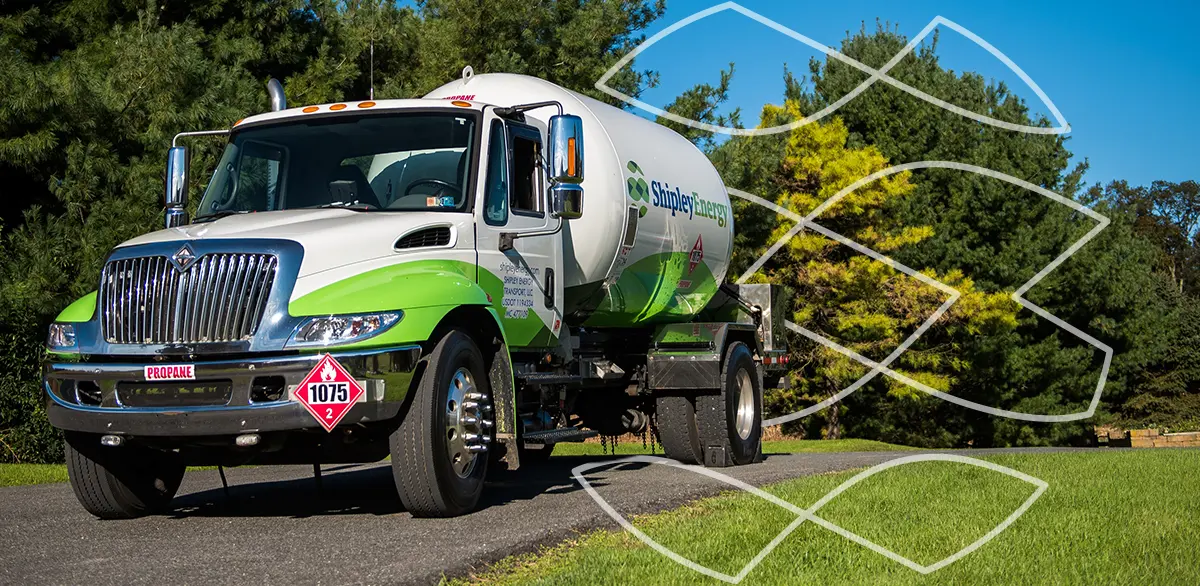
Josh: Sure. We operate a little bit behind the scenes. You know, we’re fueling the gas stations, the hospitals, the municipalities, the trucking companies that the retail customers may interact with on a daily basis. All of those companies have risks in their supply chains. We help manage that risk. They have price risks. That’s related to a NYMEX commodity. We help manage that price risk. We have a 24/7 fleet of transportation vehicles that run in our market areas and deliver to customers, every single day of the year, holidays included.
Gary: We’re talking with Josh road this morning from Shipley. Josh, we’re hearing a lot about data centers here in our local area recently. But how does Shipley ensure that hospitals and data centers and emergency operations have reliable fuel access, even during weather events or regional shortages?
Josh: Yeah, I think the the key takeaway there is being prepared, partnering with a reliable energy supplier, that is forward thinking and is looking at forecasts and has their ear to the ground when it comes to the local energy infrastructure, making sure that tanks are filled before a crisis hits so you can, respond to a crisis rather than react to it.
Gary: You can do a lot of proactive and preventative stuff, but sometimes a crisis is going to hit, you have a power outage, you have a natural disaster. It’s going to come up. What steps does Shipley take to mobilize quickly to help keep businesses and essential operations fuel at that point?
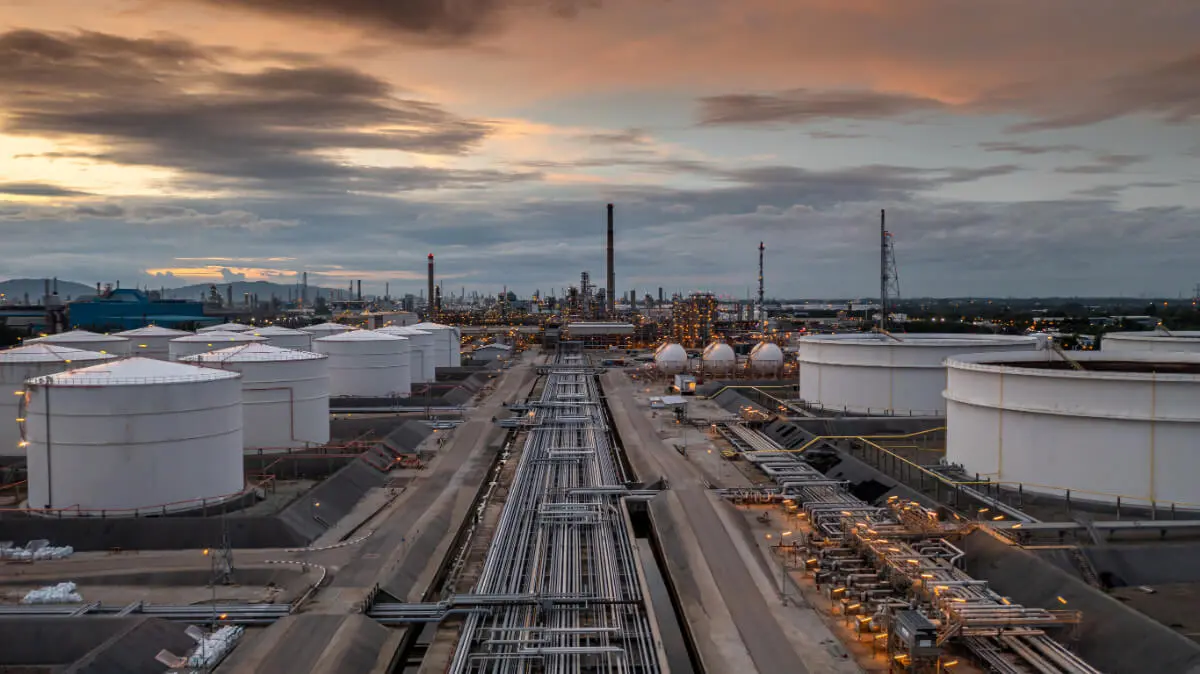
Josh: Yeah. So we’re forward looking, you know. We’re looking out at the forecast, the weather forecasts. Again, we’re very tied into the local energy infrastructure and network. So we hear when a terminal is going to go down or if a terminal has gone down, if a refinery is going down, if a pipeline has planned or unplanned maintenance that pops up. And we’re immediately switching into emergency preparedness mode. So, we’re refilling customer tanks in those affected areas, making sure that they’re ready for a potential crisis if and when it hits. We’re pre-staging trucks, moving trucks to more local markets that may be affected and possibly going out and purchasing additional fuel supplies for those critical markets and making sure that, again, we’re responding to that crisis and not reacting to it.
Gary: You’ve had a chance over the years to see a lot of these kinds of situations. Can you give us an example of a time when Shipley managed to kind of keep the lights on, literally and, keep a community of business running during the outage?
Josh: Yeah. My mind initially goes to weather related issues. So, there’s been multiple hurricanes over the years that Shipley has responded to and positioned trucks and assets into those local communities to keep those local communities fueled during that tough period of time. Polar vortexes, you know, they can take entire power generators off the grid and push them to their backup diesel fuel. One example of that, we preemptively partnered with one of these energy producers to make sure their immense diesel storage on site was full before the energy crisis hit. And that was the polar vortex. Throughout that polar vortex, they were exclusive, exclusively relying on their diesel for power generation to keep their community powered. And we made sure that they were fueled through that entire crisis and didn’t have to worry about where their next load was coming from– how they were going to power their local community.
Gary: A way of being at ease there if you’re a customer. For customers that can’t afford any downtime, I mean, how do you plan distribution and routing so that your most critical customers are never without product?
Josh: Yeah. The key is to be prepared there. So, proactive tank monitoring. Redundancy built into every aspect of our supply chain. So we have redundancy built into our truck capacity. We have our drivers cards at multiple terminals, even if they’re not loading at those terminals, during the regular day. But they are prepared if a crisis hits and we have to go to backup plan number one or backup plan number two, they can immediately load at that backup terminal and not have to worry about getting authorized to load there. We deal with fueling out of multiple terminals, dozens of terminals in the Mid-Atlantic region. We source on multiple pipelines, and we purchase from dozens of reliable suppliers. So, we have redundancy built into every aspect of our business from front to back. That gives our customers the comfort level partnering with Shipley that they know they’re never going to run out of fuel.
Gary: You know, as an old coach, I’m always reminded that the best laid plans sometimes don’t work, and you have to go to some of those redundancy plans, talk a little bit about redundancies that are built into the systems. Like flying an airplane, you want to know there’s some backup plans in case the best player doesn’t work. Same thing here with energy, right?
Josh: Right. Exactly. So again, we’re planning for that, that backup plan, but also the backup to the backup. You know, one of the biggest paddings that we have in our business is our in-house transportation division. When we see a crisis coming online, and say it takes out a certain terminal or a certain local market, we can reposition those trucks to run out of the secondary market. A third backup market to make sure that customer is fueled even if their local market is out of product.
Gary: We’re talking with Josh Rode today of Shipley Energy. And Josh, one of the things that we’re really to blow out a lot of the news here, particularly in the York area, we’ve heard a lot about data centers. They’re coming in. What unique challenges do they bring you in terms of energy? And, how does Shipley Energy help solve those?
Josh: Yeah, it’s been a big news cycle about data center buildouts in the Mid-Atlantic region. And specifically in our market area, they’re huge energy consumers, and they cannot take a second of downtime. You know, they need power at all times. And diesel fuel provides storage capabilities that, say the electricity grid cannot, it provides immediate backup when, when the power goes out or the grid does go down or natural gas gets curtailed, it provides immediate backup power to that facility. And, I think Shipley is well positioned, to help critical customers like data centers, build out their supply plan and their resiliency to make sure they’re never down.
Gary: We talked earlier about you’ve made Shipley your working life right from the very start. From your perspective, and you’ve got a lot of different perspectives having worked a lot of different places here at Shipley, what separates Shipley Energy from a typical fuel supplier in terms of partnership and logistics and expertise?
Josh: Yeah, I think we’re, we’re proactive, we’re responsive to customer needs and we’re vertically integrated. So for example, we have our own in-house transportation, a fleet of transport trucks, a fleet of tank wagon trucks. We ship our own supply on the pipeline as well as partner with other suppliers throughout our network. We partner with customers, we want to see them grow their business and then succeed in their endeavors. So we proactively talk to them about their fuel budgets and their monitoring needs, their tank monitoring needs and their inventory plan. So we’re on top of that, you know, 24/7, every day of the year, when a crisis hits it’s a little bit of a speed bump, maybe, but certainly not an issue for their operation.
Gary: How does technology and service, like tank monitoring, GPS routing, 24 /7 operations improve your ability to serve critical customers faster and smarter.
Josh: Technology just gives us that little bit of leeway time so we can respond that much quicker. So, tank monitoring allows us to plan loads immediately when we see that downdrawl start to happen, rather than wait for that phone call from the customer. That makes sure our trucks are positioned where they need to be well, in advance of any, any type of actual disruption. GPS allows us to reroute trucks. You know, if they need to go to that backup terminal, the driver is notified immediately, through an onboard computer system rather than, you know, waiting for them not to be able to get loaded at a terminal that’s down. So it’s just about being proactive rather than reactive.
Gary: We’re talking with Josh Rode, general manager of wholesale here at the Shipley. Beyond emergency use, you use the word proactive a lot this morning, what are proactive steps that businesses could use right now to ensure their backup systems are ready before a crisis takes place?
Josh: Yeah. Get prepared now. You know, before an actual event hits or a disruption hits, partner with a reliable fuel supplier, like Shipley Energy, that can take care of your needs and get comfortable with your business prior to, you know, an event happening that takes your business down or takes you offline. Getting set up beforehand allows us, allows drivers to get comfortable with the location. So, when those emergency loads are needed, there’s no questions asked. And it’s a seamless, transaction, seamless delivery.
Gary: One of the great things about Shipley is they’re kind of out ahead of the curve. A lot of times when it comes to electrification infrastructure, we’re hearing a lot about AI and all those kinds of things. Looking ahead, how do you see the role of reliable fuel evolving as electrification and as infrastructure become a little bit more digital?
Josh: Yeah. As a full service energy provider, Shipley welcomes any, any change in the landscape of energy infrastructure and energy needs. Electrification has been a big part of that over the past decade. And, electrification puts more strain on an aging grid system. So that could possibly lead to more grid downtime in the future. Fuel is a reliable source of energy that can be stored onsite and can immediately switch on when needed. We think fuel is going to go tandem with the electrification needs that we see in the state and in the country and will be an integral part of that energy demand moving forward.
Gary: And if you could leave business leaders with one takeaway about energy and resilience, or energy resilience, rather, what would that be today?
Josh:: In a crisis, before, you have downtime. If you’re being reactive to those issues, you’re already behind the curve. Your competition is going to be more prepared than you. We don’t want that to happen.
Gary: Reliable, proactive, preventative: words you’ve heard all day to day. Josh, great talking to this morning.
Josh: Thank you so much. Thanks Gary.
Gary: Josh Rode GM here of Wholesale at Shipley Energy. Thanks for joining us again on this Energy Exchange.
Get Started with Backup Fuels for Your Business
Don’t wait for a crisis to test your backup systems. Contact Shipley Energy today to discuss how our proactive fuel management and 24/7 emergency response can keep your critical operations running no matter what.