- For Home...

-
-
-
-
- Get In Touch
Need a different solution?
We’re here to help!
- For Business...
-
-


- Get A Quote
Our team is here to help!
- Wholesale...
- Resources...
- About Us...


Need a different solution?
We’re here to help!


Our team is here to help!
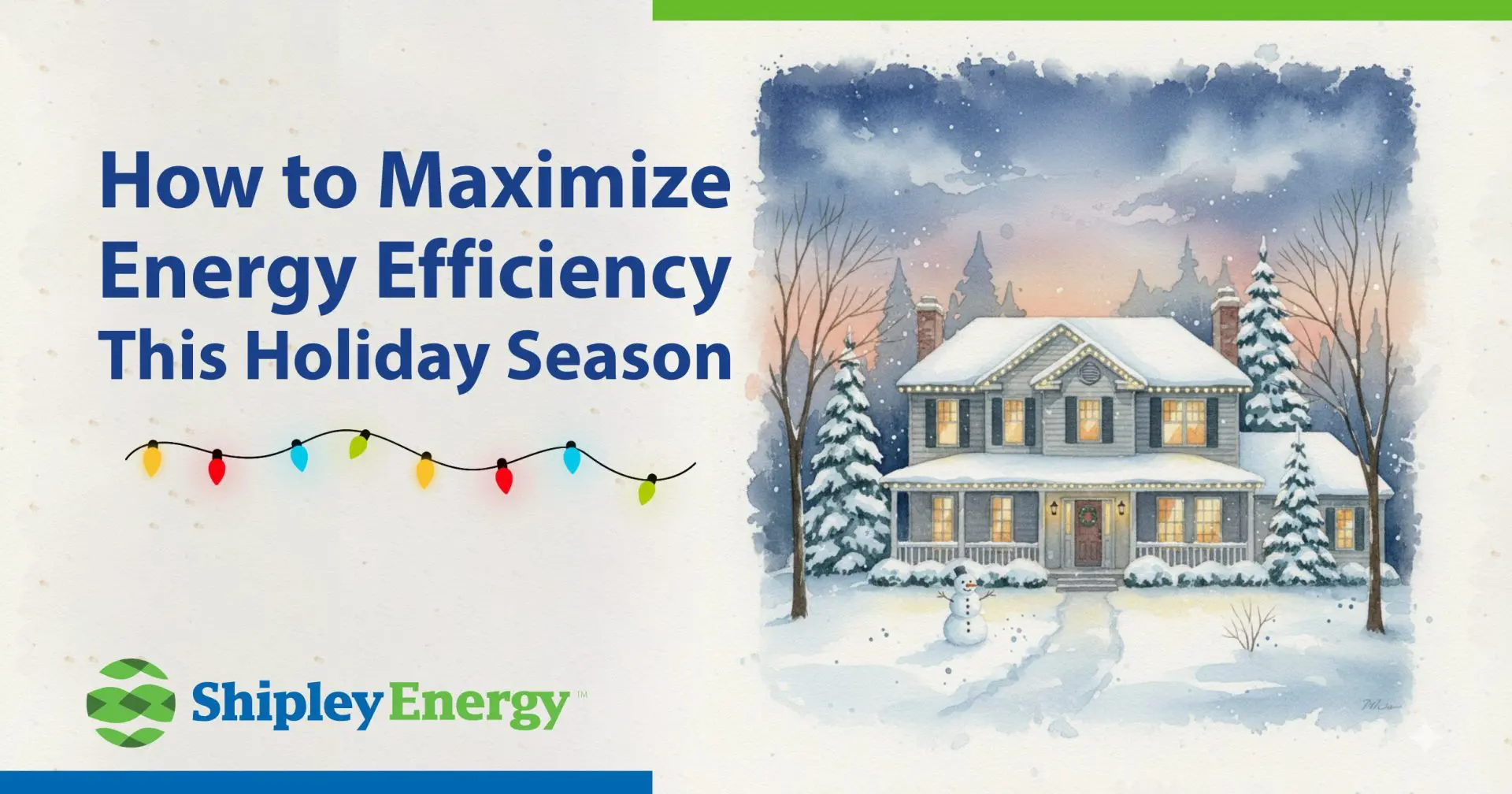
The holiday season brings joy, festive decorations, and family gatherings—but it also brings higher energy bills. Winter months see the highest residential energy demands, with space heating accounting for 42% of annual home energy consumption according to the U.S. Energy Information Administration. Add holiday lighting, increased cooking, and houseguests into the mix, and your electricity costs can spike significantly during what’s already an expensive time of year.
The good news? The holiday season doesn’t have to drain your wallet. By implementing smart energy efficiency strategies, you can enjoy a warm, festive home while keeping electricity costs under control. Read on to learn eight practical holiday energy tips to cut your winter energy bills without sacrificing holiday cheer.

One quick and impactful change you can make to your holiday energy costs is switching from incandescent to LED Christmas lights. According to the U.S. Department of Energy, decorative seasonal lights account for 6.6 billion kilowatt-hours of electricity annually across the United States. While that sounds abstract, the cost difference hits home when you look at your specific display.
LED lights use 70-90% less energy than traditional incandescent bulbs. The numbers are striking: EnergySage reports that with national average electricity costs at $0.18 per kilowatt-hour, running a typical holiday display costs dramatically different amounts depending on your bulb choice. Christmas Designers calculates that for a 45-day holiday season running lights seven hours daily, an example LED display costs $10.46 to run versus $123.48 for the same incandescent display. That’s a savings of over $110 per season.
While LED lights cost more upfront, the energy savings and longevity make them pay for themselves within just a couple of holiday seasons. LED bulbs last 25,000 to 75,000 hours compared to just 3,000 hours for incandescent lights, meaning you’ll replace them far less frequently. If you’re still using old incandescent strings, this holiday season is the perfect time to make the switch.

During the winter months, your heating system is usually one of the biggest drivers of energy costs and nowadays it is one of the easiest to control. According to the U.S. Department of Energy, you can save as much as 10% annually on heating and cooling by turning your thermostat back 7-10 degrees Fahrenheit for eight hours a day. During the holiday season when schedules get hectic, a programmable thermostat eliminates the temptation to manually override settings, ensuring consistent energy savings.
The DOE recommends setting your thermostat to 68°F when you’re home and awake, then lowering it to 60-65°F while you’re sleeping or away. Energy Star estimates that proper thermostat use can save homeowners up to $150-180 annually on energy bills. That’s meaningful savings that compound year after year.
A programmable thermostat makes these adjustments automatic. Set it once, and it handles the temperature changes without requiring you to remember to adjust it manually. Smart thermostats take this a step further by learning your schedule, providing remote control via smartphone, and offering detailed energy usage reports. Many models even adjust automatically based on weather forecasts and can be controlled remotely when holiday plans change unexpectedly.

Even energy-efficient LED lights waste money if they’re running when no one is home or awake to enjoy them. Programmable timers ensure your holiday display shines when it matters most while automatically shutting off during late-night and daytime hours.
According to energy management technology company Powerley, automation can save approximately 40% on decoration electricity costs by reducing on-time from 24 hours to a more reasonable 14-15 hours daily. For most households, running lights from dusk until bedtime—typically 5-6 hours—provides maximum enjoyment while minimizing waste.
Basic plug-in timers cost $10-15 and require no technical expertise to install. Smart plugs offer even more flexibility, allowing you to control your holiday lights remotely via smartphone, adjust schedules on the fly, and monitor energy usage in real-time. Some can even sync with sunset times, automatically adjusting throughout the season as daylight hours change.

No matter how efficient your heating system is, it’s working overtime if warm air is escaping through gaps and inadequate insulation. The EPA estimates that homeowners can save an average of 15% on heating and cooling costs by air sealing and adding insulation in attics, crawl spaces, and basements.
The scale of the opportunity is significant. The North American Insulation Manufacturers Association notes that roughly 90% of houses in the United States are under-insulated. Many homes, particularly older ones, have gaps and cracks that allow heated air to escape continuously throughout the winter.
Simple air sealing projects can be completed in a weekend and deliver immediate comfort improvements. Focus on these high-impact areas:
Professional energy audits can identify the most cost-effective improvements for your specific home.

If you haven’t had your furnace professionally serviced in a while, scheduling a tune-up before the coldest part of winter could be one of the smartest investments you make this holiday season. A well-maintained furnace operates more efficiently, consuming less energy to produce the same amount of heat, which translates directly to lower heating bills during the months when your system works hardest.
According to HVAC industry research, furnaces lose approximately 20-40% of their heating efficiency over time due to dust buildup, worn components, and normal wear and tear. Family Handyman reports that the average cost of a furnace tune-up is around $150, while the average repair for a system that’s been neglected runs approximately $450, making preventive maintenance a much more cost-effective approach.
Studies emphasize that furnace tune-ups should be scheduled annually, ideally in early fall before the heating season begins. This proactive timing ensures your system is ready when the first cold snap hits, rather than breaking down on the coldest night of the year when emergency service calls are most expensive. Regular maintenance extends your furnace’s lifespan; a properly maintained furnace can last 20-30 years, while a neglected system can fail before the 10-year mark.
For Pennsylvania homeowners preparing for winter, Shipley Energy’s HVAC services include professional furnace maintenance and tune-ups to keep your heating system running at peak efficiency throughout the season. Our certified technicians can identify potential issues before they become expensive problems, ensuring your home stays comfortable while your energy costs stay manageable.
Schedule Your Furnace Tune-Up Today!

Holiday baking and cooking naturally increase your energy use, but you can minimize the impact with strategic timing and smart oven practices. The U.S. Energy Information Administration notes that Thanksgiving Day shows the largest electricity peak closer to midday as households prepare holiday meals—a pattern that repeats throughout the December holiday season.
The heat generated from holiday meal preparation can actually help warm your home, reducing demand on your heating system during peak cooking hours. When running your oven for extended periods to prepare holiday meals, that warmth radiates into your kitchen and living areas. This is one case where increased appliance use can offset heating costs.
To maximize efficiency during holiday cooking:
Obviously, any usage changes shouldn’t compromise food safety or holiday traditions. The key is being mindful about how and when you use major appliances during the season.

Many homeowners believe closing vents in unused guest rooms before holiday visitors arrive will save energy, but this common practice actually wastes money and can damage your HVAC system. Your central heating system is designed to distribute air throughout your entire home—when you close vents, you increase pressure in the ductwork, forcing your system to work harder and potentially causing expensive damage.
According to SaveOnEnergy, closing vents doesn’t reduce energy consumption because modern HVAC systems can’t adjust their output when vents are closed. Instead, the increased air pressure in your ductwork causes several problems:
The better approach is to keep interior doors open to maintain proper airflow throughout your home, ensure your HVAC system receives regular maintenance, and use a programmable thermostat to manage your overall home temperature efficiently. If you have specific rooms that truly don’t need heating, consider a zoned HVAC system designed to handle variable loads—but standard central systems need all vents open to function properly.

Beyond managing how and when you use electricity, one of the smartest decisions you can make this holiday season is ensuring you’re on the right electricity rate plan. Many homeowners don’t realize they have options beyond the default variable-rate plan they were assigned when they moved in, and the difference in winter bills can be substantial.
With a fixed-rate electricity plan, your price per kilowatt-hour stays locked in for the duration of your contract, typically 12 to 36 months. According to energy market experts, fixed-rate plans provide stability and predictability, making them ideal for households looking to manage costs during high-demand seasons like winter. Your rate won’t change even if market prices spike during cold snaps when heating demand soars.
Finding the Right Plan:
Shipley Energy offers residential electricity plans designed to help Pennsylvania homeowners manage their energy costs year-round. Our energy advisors can help you understand your options and find a rate structure that fits your household’s usage patterns and budget priorities—especially important during the high-demand winter season when smart rate selection makes the biggest difference.

The holiday season should be about making memories with family and friends, not worrying about skyrocketing energy bills. By implementing these eight strategies, you can significantly reduce your winter electricity costs while maintaining a comfortable, festive home:
Small changes compound quickly. At Shipley Energy, we understand that managing energy costs is a year-round priority. Our residential electricity plans are designed to help homeowners like you manage winter energy expenses with transparent pricing and reliable service.
Contact Shipley Energy today to explore electricity plans that fit your household’s needs and learn more strategies for managing your energy costs throughout the year.