- For Home...

-
-
-
-
- Get In Touch
Need a different solution?
We’re here to help!
- For Business...
-
-


- Get A Quote
Our team is here to help!
- Wholesale...
- Resources...
- About Us...


Need a different solution?
We’re here to help!


Our team is here to help!
We’ve made it! Winter is almost over. The days are starting to get longer and it’s time to start tackling your Spring to-do list.
Where do I start?!
That answer is simple, every Spring Cleaning Checklist should start with your HVAC system. Spring is a popular time for people to get their HVAC system tuned-up and ready to go for the summer heat, so maintenance spots can fill up fast. It’s better to get ahead of the rush and schedule your tune-up or cleaning ASAP.
How do I know if my HVAC system needs a tune-up?
We recommend regular tune-ups, every 6 months, or at the beginning of fall and end of winter. This will ensure that your HVAC system is running efficiently and problem-free as it works to keep you warm in the winter and cool in the summer. You can also run through our Spring cleaning checklist to help determine if your system is in need of maintenance.
Time to spring clean your way to a more efficient home! We’ve listed the top 10 HVAC system Spring cleaning checklist items that should be any homeowners top-priority this spring.
Print Your Spring Cleaning Checklist -> Schedule Your Tune-Up ->
All winter long your HVAC ducts have been pushing out dust, allergens, and pet hair. Spring is the perfect time to clean your duct vents and registers. To wash the grills you’ll need to first remove them from the vents. Vacuum visible debris from the grill, then wash them with warm water and a mild soap. You may want to schedule a duct cleaning too. This will remove all debris and allergens from your HVAC ducts throughout your home. So you can breathe easy knowing the air inside your home is clean.
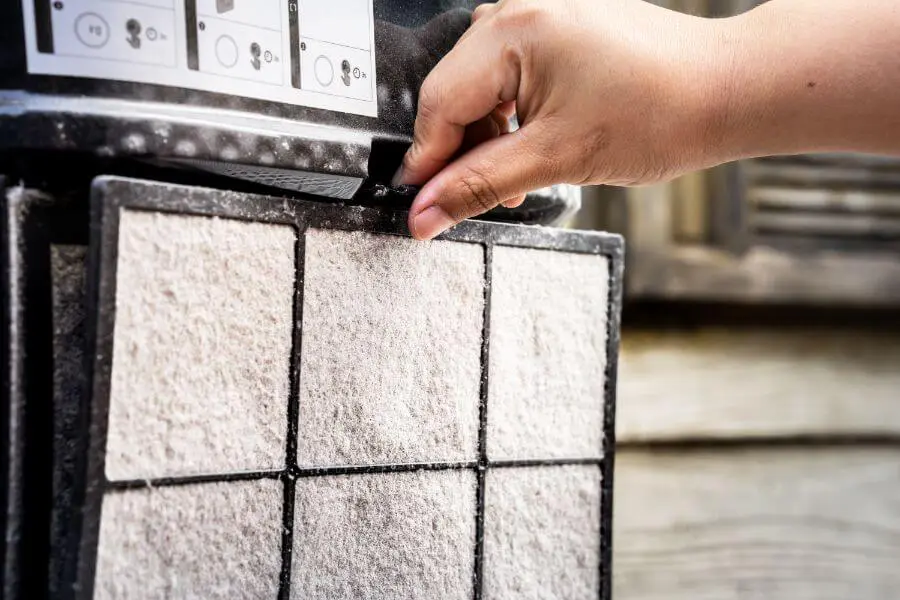
As a general rule of thumb, your HVAC filters should be replaced every 90 days. According to the U.S. Department of Energy, replacing a dirty, clogged filter with a clean one can reduce your air conditioner’s energy consumption by up to 15 percent. There’s no such thing as changing your filters too often either.
Consider replacing your filters more frequently if:
Shipley Energy tip: Keep a supply of filters on hand so you’re never caught without a replacement. Note your filter size (typically printed on the filter frame) and purchase several at once to simplify this routine maintenance task.
It’s no secret that ceiling fans and light fixtures collect a lot of dust throughout the year. Spring is a popular time for households to use ceiling fans as a way to deal with early heat-waves before having to turn on the A/C. But what you may not realize is that all of the dust your HVAC vents blew around all winter is going to come flying off of your ceiling fan blades as soon as you turn it on. This is also a great time to check bathroom and stove range hood fans!
Cleaning process:
This should generally be done more frequently, but as we all know, life can get busy. Spring is a great time to make sure that all smoke detectors and carbon-monoxide detectors are working properly and have ample battery life to last until Summer (check them again in June!). While you’re at it, you should also check the batteries in your thermostats too.
During the fall and winter, leaves, dirt, and other debris have likely made their way in and around your outdoor HVAC unit. Your unit should have at least 1-2 feet of clearance all the way around to help maximize airflow and improve your system’s performance. First you want to make sure the power is turned off. Start by clearing leaves, picking up trash, and trimming back any plants or bushes. You can then clean up the unit itself. Carefully vacuum the outside of the unit with a brush attachment.
When to call for service: If you notice damaged fins, refrigerant line issues, unusual corrosion, or if the unit isn’t level, schedule professional maintenance before testing your system. These issues can affect performance and may worsen if left unaddressed.
Shipley Energy HVAC technicians perform comprehensive outdoor unit inspections during spring tune-ups, addressing issues that affect cooling performance and system longevity.
Once you’ve cleaned up around your outdoor unit, it should be ready to test! Head to your thermostat and switch it to the cooling setting Adjust the temperature just enough to trigger your system to turn on. Wait a few minutes and then confirm that the system is working properly and that cool air is starting to circulate throughout the house. You’ll want to make sure all ceiling fans, windows, and doors are turned off and closed during this test. If the air doesn’t seem adequately cool, make sure you have the thermostat on the correct setting and temperature. If all looks good but you’re still not feeling cool air, it might be time to have your system tuned-up and have the coolant replaced.
When to schedule service: If your air conditioning doesn’t start, runs but doesn’t cool effectively, makes unusual noises, or cycles on and off rapidly, contact a professional technician. These symptoms indicate issues that require trained diagnosis and repair.
Shipley Energy offers comprehensive air conditioning tune-ups that include refrigerant level checks, electrical connection testing, condensate drain cleaning, and performance verification—everything your system needs for reliable summer cooling.
If your thermostat is not programmable, we recommend upgrading before the summer heat arrives. Programmable thermostats are helpful with maximizing energy savings. Spring usually brings a lot of up and down in temperatures, warmer days but still pretty chilly at night. You’ll want to make sure your thermostat is set on the correct settings so you’re not over-cooling at night or heating during the day when it’s not needed.
Shipley Energy can help with thermostat selection and installation as part of our comprehensive HVAC services, ensuring your new thermostat integrates properly with your heating and cooling system.
While not directly part of your HVAC system, your refrigerator coils affect your home’s overall energy consumption. Dust-covered coils force the compressor motor to work harder, increasing energy use and potentially shortening your refrigerator’s lifespan.
Cleaning process:
Frequency: Cleaning coils once or twice yearly maintains optimal efficiency. If you have pets that shed, consider cleaning coils quarterly to prevent excessive dust accumulation.
Allergens and dust mites collect in pillows and curtains even more during the winter months due to HVAC vents blowing air around your home. Have you ever wondered why even after just cleaning a room you can come back 10 minutes later and see a this layer of dust on the counter or table? The same is happening on fabric surfaces but is harder to see. Did you know that an ounce of dust can be home to 40,000 dust mites? Gross! Washing bedding regularly and curtains every season will help reduce allergens and improve air quality. If you find that your allergies are still acting up inside (more than usual) it may be time to install a whole-home air purifier. Check out the iWave, available at Shipley Energy!
You may push propane or heating oil to the back of your mind once the weather breaks, but it’s actually really important to maintain a normal level of fuel in your tank(s) all year round. For heating oil tanks, the fluctuating temperatures during the Spring, Summer, and Fall months, causes condensation to build up inside tank walls. As more condensation builds up, it eventually drips into the heating oil and falls to the bottom of your tank. Over time, this causes sludge to build up and could cause expensive problems with your furnace and speed up the corrosion of your tank.
For those with propane tanks, especially ones that sit in the sun, maintaining the proper fuel level throughout the summer is key to maintaining good tank pressure. We recommend topping off your fuel tanks during the spring for both safety reasons and so you’re not scrambling when winter comes around again to get them filled.
Shipley Energy provides reliable propane and heating oil delivery throughout the year, with automatic delivery programs that ensure your tank never runs critically low. Our energy advisors help you time deliveries to take advantage of market conditions while maintaining the fuel levels your system needs for optimal operation.
Schedule Heating Oil Delivery -> Schedule Propane Delivery ->
Hooray, you’re 10 tasks closer to being done with your spring cleaning to-do list! Your neighbors will be jealous when you’re relaxing on the porch with a cold drink while they’re still trying to get their air conditioning system to work.
While the items on our HVAC system spring cleaning checklist will help keep your system running smoothly, keep in mind that there are maintenance items that only trained HVAC technicians should handle. It’s important that your HVAC system gets inspected and tuned-up at the beginning of Spring and Fall. Regular maintenance will help keep your system running efficiently for year to come! Similarly, duct cleanings and regular filter-changes are key to maintaining clean air inside our home.
We make getting your HVAC system running in tip-top shape easier than ever! With several service plans available, you can choose one that fits your budget and protects your household from unexpected repairs. Get in touch with our team today to start, or call us at 1-800-839-1849.