- For Home...

-
-
-
-
- Get In Touch
Need a different solution?
We’re here to help!
- For Business...
-
-


- Get A Quote
Our team is here to help!
- Wholesale...
- Resources...
- About Us...


Need a different solution?
We’re here to help!


Our team is here to help!
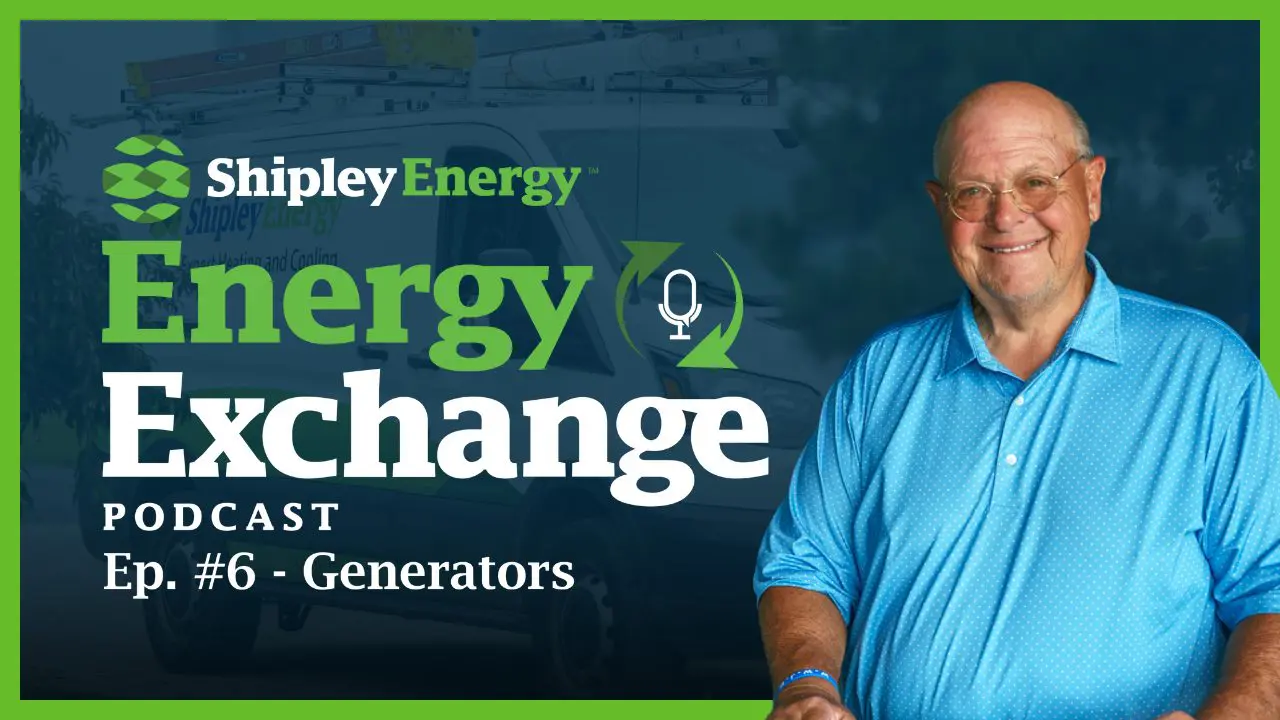
Host Gary Sutton sat down with Anthony Zic, Home Services General Manager at Shipley Energy, to talk about backup power and home generators — and how they keep you protected when the grid goes down.
Catch the full episode as Gary and Anthony take a deeper dive into how home generators work, what to consider before buying, and how to stay powered through any outage. Enjoy more episodes of the Energy Exchange podcast.
Gary Sutton: Welcome to another edition of Shipley Energy’s Energy Exchange, where we exchange back and forth. Today, Anthony Zic and I are going to talk a little bit about generators and backup power you can count on when the grid fails. You know, we hear a lot about the grid right now and how it’s aged and how it’s failing. And we’re having brownouts in different parts of the country and so forth. And I don’t know if you knew this, but the average homeowner loses $1,200 every time the power goes out. That means like spoiled food and all that kind of stuff. And Anthony, for someone new to generators, what do they do? I mean, how do they work? How do generators actually work? And why having one of those around is so important.
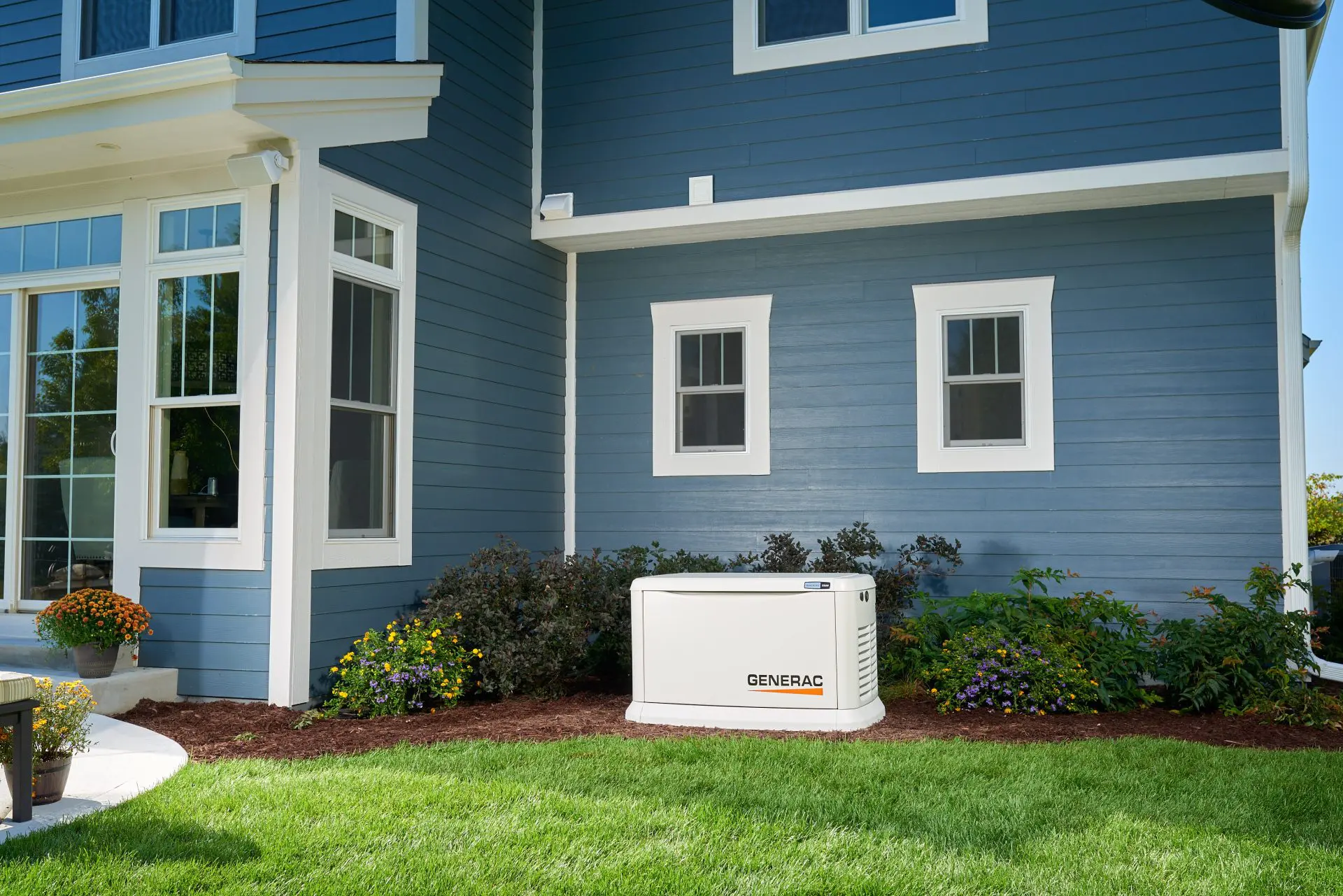
Anthony Zic: So basically they take a fuel, a propane, or a natural gas, and you convert it into energy. It’s a little motor outside your house, and once you lose power, it kicks on by itself and generates electricity. I don’t know about you, but I have a freezer full of venison at home, and I wouldn’t want that to go to waste.
Gary: I’m a guy who likes to smoke meats a lot, so I’m right there with you, my friend. But, what types of emergencies, outside of our smoked meats, do generators help you prepare for?
Anthony: Oh, any kind of storm or power outage, you know, where there would be an interruption in your electrical service. You have your standalone system where you wouldn’t lose electric.
Gary: Can generators keep medical devices and refrigerators and HVAC equipment running at once.
Anthony: Absolutely. Anything that has an electrical current to it can be connected to the generator, or it can even be set up to where you a light won’t go out in your whole house, you know.
Gary: What are some of the different kinds of generators that are out there right now for the consumer? And you know, how do they how do they compare?
Anthony: Right. So you have portable generators and standby generators. Okay. The portable generators are those little guys on the wheels. Well, you have to roll out and dump a little fuel in, and they’re usually good for 1 or 2 appliances. You know, you could probably plug a fridge into it and run it. Standby generator. It’s a permanent fixture in your house. And basically when it’s wired into the house, it’s set up with an automatic transfer switch. So when you lose electric, it’ll kick on automatically and will generate electricity, electricity to the whole house.
Gary: Now, is that the whole house generator right there?
Anthony: The standby is the whole house generator.
Gary: And of course the other one you have a portable generator obviously is not going to do the same kind of job, right?
Anthony: Correct.
Gary: When you look at, how does a generator detect an outage and kick on and start to really work?
Anthony: All right. So that’s that automatic transfer switch. So it’s, a little panel that gets installed, next to your electrical panel, and it senses when the power coming in is dropped and will actually transfer the source to the generator outside.
Gary: Then we hear a lot of myths about generators and there are misconceptions about them. But, there’s what are some of the misconceptions about generator’s size and noise?
Anthony: Oh yeah. Usually they’re loud and big, but that’s not very true, at least anymore. You know, especially with newer motors and newer insulation. They’re a lot quieter. And then sizing is also important. It isn’t something where bigger is always better, you know, you don’t want something so big where you’re not really using it to its full potential. You want it to be properly sized to your house.
Gary: I remember the old days of the big generators would kick on, and you thought the elephant herb was moving, you know? And now it’s, now it’s much, much different as you have it refined those over the years. How do you determine the right size of generator for your home?
Anthony: Well, you give Shipley Energy a call, and we get out there and we size the house and we talk to you, seeing what you want covered. As far as you know, when the power does go out, what do you want to run? And if it’s the whole house, you can size it properly or you kind of pick and choose what you want, and we can get a little something a little smaller, a little more affordable in there for you.
Gary: We’re talking today with Anthony Zic, who is the home Services general manager here for Shipley Energy. Do permits or inspections play a role in generation or generator installations?
Anthony: They do. I mean, every township, county, has their own separate rules, but that’s something for us to worry about. But yeah.
Gary: Is there a consideration that a person has to give to the type of fuel used at a generator, like, you know, propane versus natural gas or versus diesel or gasoline?
Anthony: If you have natural gas, natural gas is very convenient. Propane, you know, we can put propane tanks next to anything. If you have a cabin out in the woods, we could drop propane tanks. And it’s pretty convenient. It burns very clean.
Gary: Obviously, we were worried about maintenance for our generators and the types of things that we need to do to make the generators be ready to go when it’s time. What is some of the maintenance that we have to do?
Anthony: So it’s think of it like your car, you know, it has an engine in it. So you need the oil change, filter changes. We check the battery and you know, you run a little test run on it then too.
Gary: You’re a guy with Shipley Energy that has to, you know, do the installation. What does the average installation look like?
Anthony: I mean, we have the pre-site inspection. You know, we figure out where we’re going to put the generator. Then typically, a pad has to be poured or something like that. But then the actual installation itself doesn’t usually take more than a day.
Gary: That’s pretty good.
Anthony: Yeah.
Gary: So, Anthony, what’s the number one piece of advice that you would advise any homeowner considering backup power in a generator? What would you advise them?
Anthony: Installation is key. You know, you want a authorized installer. And then someone that can service the unit as well. You know, you want a nice One-Stop shop where you get taken care of.
Gary: And that One-Stop shop can be Shipley Energy.
Anthony: Yes it can.
Gary: Shipley Energy, your community power provider here, and especially when it comes to generators, a trusted name in the community here. And people that you live with, people that you know about, people that you talk to every day, they’re going to show up and be on time and do the job right. Absolutely.
This has been another Energy Exchange with Anthony Zic, Home Services GM with Shipley Energy. I’m Gary Sutton.