- For Home...

-
-
-
-
- Get In Touch
Need a different solution?
We’re here to help!
- For Business...
-
-


- Get A Quote
Our team is here to help!
- Wholesale...
- Resources...
- About Us...


Need a different solution?
We’re here to help!


Our team is here to help!
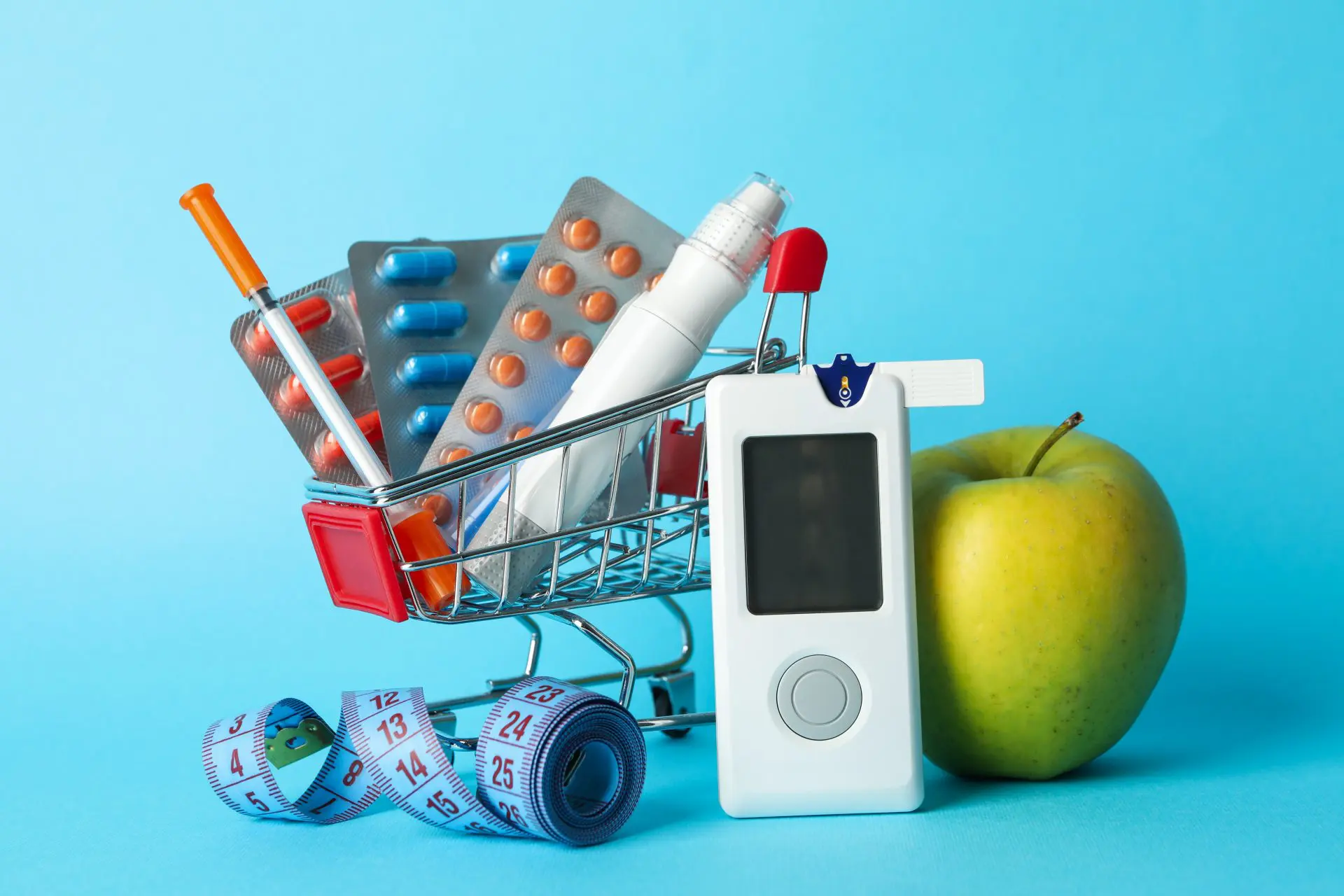
When the power goes out, it’s not just the lights that go off — it’s your fridge, freezer, and the safety of your perishable items that come into question. Whether you’re dealing with a summer thunderstorm, winter ice event, or grid failure, knowing how long food and medicine stay safe can help you avoid illness, reduce waste, and protect your household.
In this guide, we’ll break down FDA and USDA studies about how long refrigerators and freezers can keep items cold, how quickly meat starts to thaw, when insulin becomes unsafe, and then we’ll help you know what you can do to stay prepared.
Protect Your Food and Medicine ->
Your refrigerator can keep food cold for up to 4 hours—as long as you keep the door closed. Once the interior temperature rises above 40°F, bacteria can grow quickly, making many items unsafe to eat.
Surveys show that the typical American household keeps between $250 and $500 worth of food in their refrigerator and freezer at any given time. Refrigerated medication can easily cost hundreds or thousands of dollars to replace if it expires before power is restored.
Key takeaway: If power is out for more than 4 hours and the temperature rises above 40°F, most perishable foods should be thrown away.

Foods that spoil quickly at room temperature include:
Warning signs: sour smells, color changes, slimy texture — but remember, you can’t always see or smell spoilage. When in doubt, throw it out.
To determine if food is safe during or after an outage:
A freezer’s insulation gives you a bigger window of time. Here’s how long food will typically stay frozen:
Meat will begin to thaw once temperatures climb above 32°F and should be cooked or discarded if it rises above 40°F for more than 2 hours.
Pro Tip: Group frozen items together to help them stay colder longer.

Insulin is temperature-sensitive, and its effectiveness can degrade if not stored properly. According to the FDA most insulin types in their original packaging are safe for 28 days at room temperature, but this varies by brand and formulation.
Important considerations:
If you rely on insulin or other temperature-sensitive medications, it’s smart to invest in a backup power source or a portable medical cooler.
You can’t always predict when a power outage will hit, but a little preparation goes a long way:
A standby or portable generator can keep your fridge, freezer, and medical devices running through the worst outages. That means:
If outages are common in your area, investing in a generator can protect your family’s health and reduce costly waste.

Knowing how long food and medications remain safe during a power outage is essential for protecting your health. Remember:
Planning ahead can make all the difference. Want to safeguard your home from the next outage? Explore how a backup generator can give you peace of mind when the power goes out.